Comparison
What are the best classless fantasy RPGs with skill-based progression?
For a group leaving Warhammer Fantasy Roleplay 4e, Mythras and GURPS are conditional candidates; neither is a verified winner. Mythras offers classless skill improvement and session-refreshing Luck that can downgrade a Major Wound, but its injury rules can still maim or kill. GURPS offers classless point-buy and a limited reroll, while injury, resurrection, and campaign pace depend on the chosen rules package. Verify those trade-offs against your group's own requirements before choosing. Dragonbane is a lighter, profession-framed option whose push rerolls cost a condition but do not protect a character from death. Savage Worlds has no fixed classes, but its Rank-based Advances gate Edges. Against the Darkmaster is a vocation-and-level mismatch.
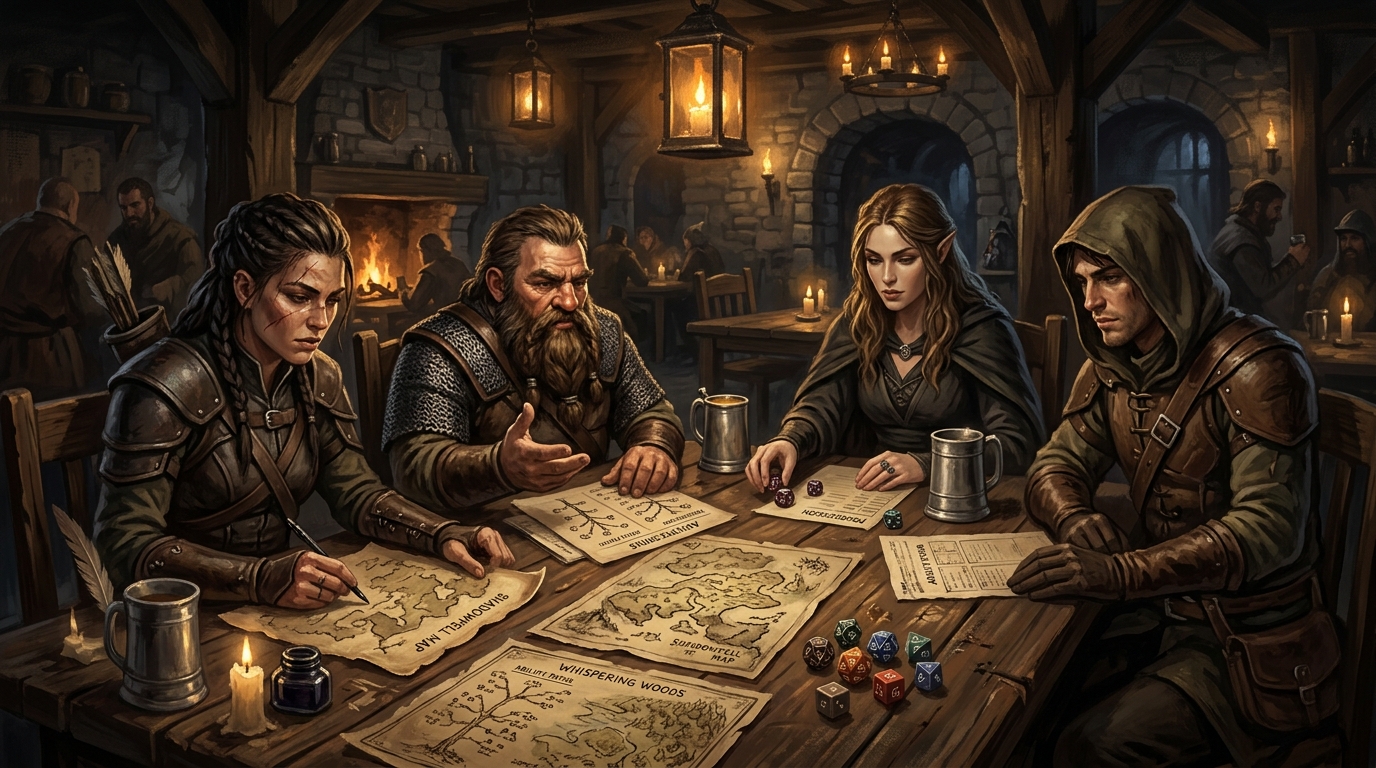
Start with the constraints
For a group leaving WFRP 4e, “Shadowrun but fantasy” means player-directed skill growth, room to develop over a long campaign, dangerous combat without routine random lasting maiming, a meaningful luck or fate safety net, and rare resurrection. Treat these as hard filters before comparing tone or speed. Check the selected rules configuration’s injury and resurrection rules, progression pace, and resource limits and refresh.
Comparison at a glance
| System | Advancement and campaign growth | Harm and safety net | Where to get the rules |
|---|---|---|---|
| Mythras | Classless, with no character levels. Experience Rolls improve chosen skills; higher skills improve more slowly, and a new Professional skill requires a teacher, a month of study, and three rolls. The GM sets awards, so this supports directed growth but does not establish multi-year campaign headroom. | In the free introductory Mythras Imperative rules, Luck Points refresh at the start of each session; one point can reroll dice just rolled, force a reroll of an attack or damage roll that hit, or downgrade a Major Wound to Serious. Major Wounds can still maim or kill, and untreated injuries may leave permanent damage. Check the full Mythras rules and agree the injury risk before treating it as a match. | Mythras Imperative is free; the full Mythras rules are a separate purchase. |
| GURPS 4e | Classless point-buy; earned character points buy eligible traits and skills subject to prerequisites. Ordinary skill costs depend on difficulty and relative level, not a rising cost for every +1; above the relevant threshold, each additional level costs 4 points. See the SJ Games conversion table and official FAQ. Award rate and available options control the pace and remaining choices. | The GURPS Lite rules give Luck a limited reroll (once per hour of play); it does not itself reduce injury. The selected Basic Set options and supplements determine injury, crippling, death, and resurrection, so verify a named fantasy configuration against the group’s safety requirements. | GURPS Lite is free from the publisher. Fuller rules come from the GURPS books or PDFs you choose. |
| Savage Worlds Adventure Edition + Fantasy Companion | There are no fixed classes, but this is not unrestricted point-buy: characters take Advances, and Rank gates Edges. Skills, Attributes, prerequisites, and Rank each affect what an Advance can buy. Long-campaign fit depends on the pace and which later Edges remain available. | SWADE uses Bennies, but verify in the current core rules which rerolls and Soak options are available, their limits, and how Bennies refresh before counting them as survival protection. The Fantasy Companion is a separate paid supplement. | Buy the Fantasy Companion separately for its fantasy rules. |
| Dragonbane | No character classes or levels. Professions frame starting characters; marked skills and heroic abilities shape later choices. Check improvement frequency, skill limits, and later options before projecting a multi-year campaign. | At 0 HP, a character falls and can only try to rally. On each later turn, they make a CON death roll: three successes restore d6 HP; three failures kill. Another character can rally them or use Healing, and magic can save them. If combat ends first, keep counting rounds until the rolls are complete. Further damage at 0 HP counts as a failed death roll; one attack that would reduce HP to its full starting value below zero kills outright. Optional pushing rerolls a failed skill or attribute roll but gives a condition; it is not death protection. See the publisher Quickstart. | Published by Free League; see the publisher page and its Quickstart guide. |
| Against the Darkmaster | Not a qualifying classless match: characters gain levels, and vocations set development points per skill category per level, restrict where those points can be spent, and determine spell access. Ordinary skill ranks cost 1 development point each; high ranks do not cost more. This is a vocation-and-level mismatch, not unrestricted skill-point advancement. See the publisher SRD and Vocations. | I could not verify edition-specific Drive, injury, and resurrection claims beyond those SRD pages, so check the core rules before comparing its survival mechanics. | The publisher’s SRD is available online; the core books are separate purchases. |
Example
A decision for the WFRP 4e group
The group makes classless skill growth, no routine random lasting maiming, a useful survival resource, rare resurrection, and multi-year growth hard filters. It checks both finalists against the same list before comparing tone or speed.
- Keep Mythras and GURPS conditional
- Both pass the classless-growth filter: Mythras improves chosen skills with Experience Rolls, while GURPS buys eligible skills with character points. Mythras Luck refreshes each session and can downgrade a Major Wound, but its rules still allow random location injuries to maim or kill. That filter remains unresolved unless the group accepts this risk or agrees an injury house rule. GURPS Luck rerolls a bad roll once per hour but does not reduce injury; the chosen fantasy configuration’s crippling, resurrection, and long-campaign pace remain unchecked. Neither candidate clears every hard filter yet; verify injury policy, resurrection assumptions, and campaign advancement pace before choosing.
Before you commit
Apply non-negotiables first, then rank candidates by preference.
- Confirm that advancement matches your definition of classless: distinguish classes from levels or Ranks, prerequisites, and the currency or restrictions that govern purchases. Against the Darkmaster is vocation- and level-based; Savage Worlds has no classes but Rank gates Edges.
- If you play online, test the sheets and rolls you need in whatever tool your group already uses before committing. A rules system and its tool support are separate questions.
- Read the selected edition’s rules for lasting injury, corruption, resource timing and refresh, and resurrection. Record whether its resource rerolls a test, mitigates harm, or prevents death; those effects are not interchangeable.
- For campaign longevity, compare advancement awards, costs, ceilings, prerequisites, and the choices left at later stages. A trial fight shows immediate handling; one improvement cycle does not establish multi-year headroom.
Was this useful?
Systems built for this
- Mythras
Classless skill improvement through Experience Rolls and session-refreshing Luck Points; Major Wounds can still maim or kill.
- Dragonbane
Roll-under skill marks and heroic abilities that keep advancement skill-based rather than class-level gated.
- Savage Worlds
Bennies are spendable; verify SWADE's reroll and Soak limits and refresh before counting them as injury protection.
- GURPS
Point-buy growth with Luck as a limited reroll; injury, crippling, and resurrection depend on the chosen rules configuration.
Keep the world steady while the system changes
Switching system does not have to mean rebuilding the campaign. Codex Cryptica organises NPCs, factions, settlements, and session history as system-neutral entities, so the same vault carries over whether the table lands on Mythras, GURPS, Dragonbane, or Savage Worlds. Track who owes whom, where the cult is moving, and what the party has already tried, then let the chosen rulebook handle the dice.
Build the dark fantasy material once and reuse it across candidates: a cursed barony, a faction pursuing a relic, or a settlement under pressure works the same while the group tests two finalists with one-shot probes.
Generate a dark fantasy faction for your campaignRelated
Tools
- Dark Fantasy Faction Generator A gritty faction with motives, resources, and pressure points suited to dark fantasy.
- Settlement Generator Towns and holdfasts with problems that fit a low-magic, dangerous world.
- NPC Generator Characters with drives and secrets that work across any fantasy rulebook.