
You have a binder full of world-building — a Google Doc, a PDF, or a JSON export from years of notes. Transferring it manually to a new tool would take hundreds of hours of copying, pasting, and linking.
The Codex Cryptica Import Pipeline was built to solve this. In a single drag-and-drop (or copy-paste), it transforms your raw lore bible into an AI-extracted knowledge graph. Characters are named, locations are pinned, and factions are linked automatically.
The Big Picture: Analysis into Lore
The import process is an intelligent transition that happens in three simplified steps:
- Parsing — Your file (or clipboard content) is read, and its text and images are extracted.
- Synthesis — The Oracle identifies characters, locations, and relationships, checking for existing entities to prevent duplicates.
- Finalization — Discovered entities are woven into your archive as connected Markdown files.
Step 1: Parsing — Meet Your File Where It Is
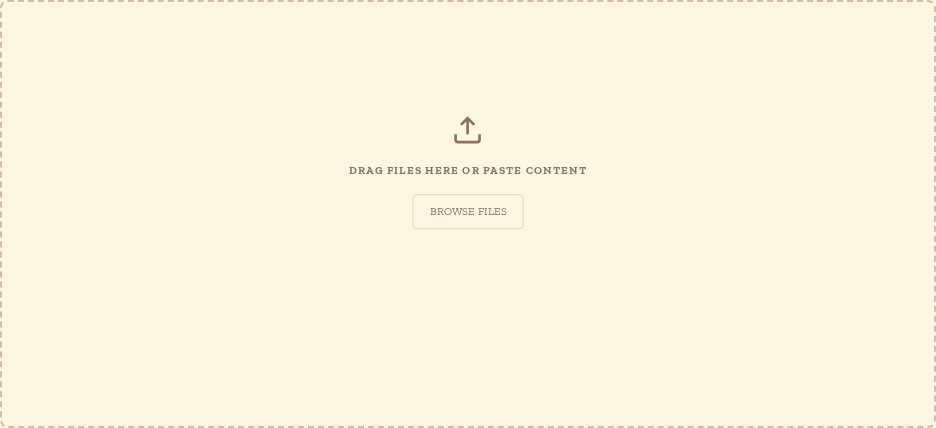
The importer accepts the most common formats natively, including direct clipboard interaction:
| Format | What Gets Extracted |
|---|---|
.txt |
All text content, preserving paragraphs. |
.docx |
Full text with formatting and embedded images. |
.pdf |
Text layer and embedded raster images. |
.json |
Structured exports from other tools for intelligent revision. |
| Pasted | Raw text from your clipboard, converted from HTML for immediate analysis. |
Every format is handled by a specialized parser that hunts for both text and embedded images. Pictures from your PDF or Word files are saved to your archive automatically, ready for character portraits and maps.
Step 2: Synthesis — Intelligence in the Loop
Once the text is extracted, the Oracle Analyzer reads your lore with the eye of an editor, identifying the core threads of your world:
- Entity Identification: It classifies subjects into
Character,Location,Item,Faction, orLore. - Synthesis: It drafts one-sentence chronicles and expanded lore notes based on your text.
- Relationship Discovery: It detects links — like a character serving a specific faction — and materializes them as edges on your graph.
- Archive Revision: It checks your existing archive to see if you already have a node for a discovered entity, offering to merge instead of duplicate.
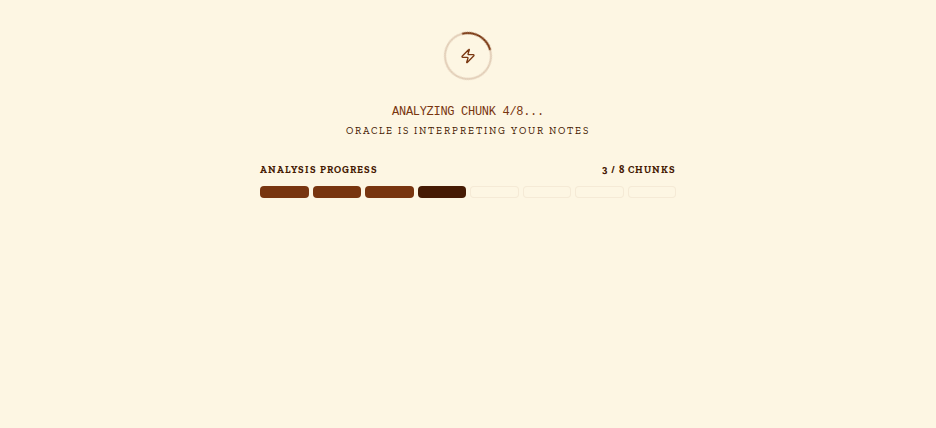
For large files, the pipeline automatically splits the text into overlapping segments, ensuring even a 200-page lore bible is processed accurately and resumably.
Step 3: Finalization — Weaving Your Archive
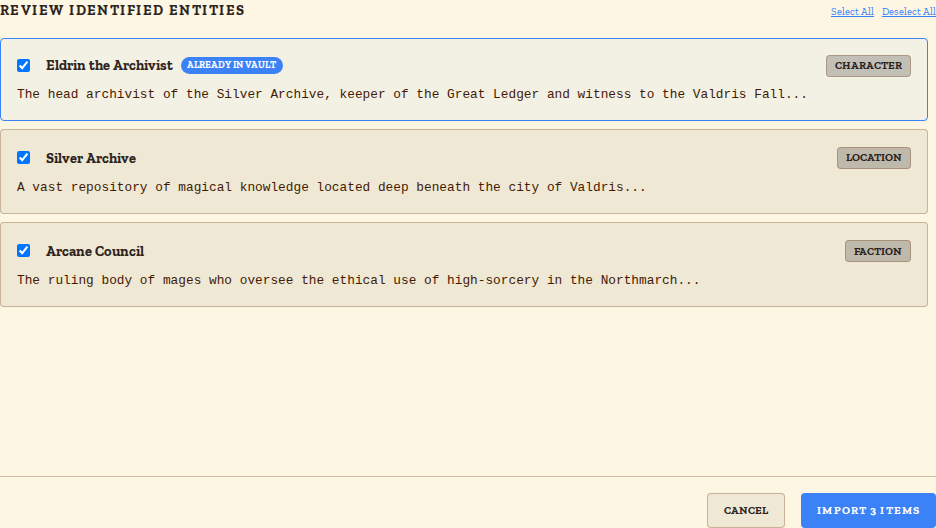
The final step is where your lore becomes part of the permanent record. Discovered entities aren't just dumped into your files; they are woven in through a structured Review Queue that ensures your archive stays clean and organized:
- Review Queue: Before anything is saved, you get a focused workspace to Accept, Merge, or Discard every proposal. This is where you can edit the Oracle's summaries or link new people to existing locations.
- Automatic Resumption: Long imports can be interrupted by network drops or browser closures. The system indexes every segment locally, skipping what's finished and picking up exactly where it left off.
- No Waste: You never spend AI tokens on the same paragraph twice, and finalization only happens once you're satisfied with the results.
Key Safeguards
| Scenario | What Happens |
|---|---|
| Browser closed mid-import | Progress saved locally; resumable on next open. |
| Same file imported twice | System skips all completed segments immediately. |
| Entity already exists | Flagged as a "merge candidate" for review. |
Privacy First
No file is ever uploaded to a Codex Cryptica server. This is a local-first pipeline: analysis runs via your browser and OpenAI/Luna API, and the final results live exclusively in your local storage.
Ready to Import?
To start your transition, open the Archive Controls in the sidebar and click Import.
You can drop files (PDF, DOCX, TXT, JSON) directly into the window or paste text from your clipboard for instant analysis. Whether it’s a single character or a 200-page campaign, the system is ready to weave your lore into the knowledge graph.
Open the Importer →
Read our guide on the Lore Oracle's capabilities to see what else your AI Co-GM can do.